
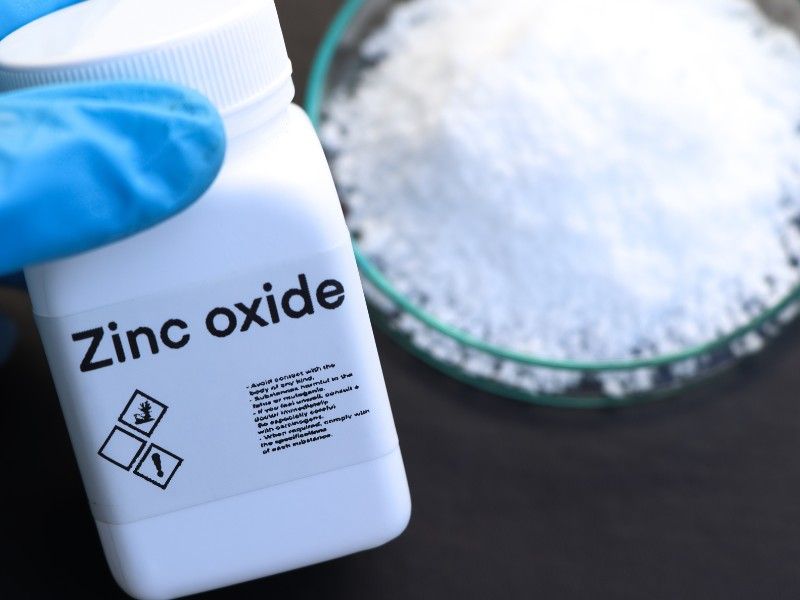
Industrial development continues to rely on materials that deliver durability, efficiency, and adaptability. Among various metallic powders, zinc dust holds a notable position because of its protective and reactive properties. Many factories and processing plants recognize the uses of zinc dust as part of routine production activities that support long-term performance in different sectors..
Role Uses of Zinc Dust in Corrosion Protection and Coating Industries
Protective coating production remains one of the most recognized uses of zinc dust in heavy industry. Steel structures exposed to moisture and changing weather conditions require a strong defense against rust formation. Zinc particles create a protective barrier that reacts with environmental elements before they reach the metal surface underneath.
Application of Zinc Dust in Chemical Manufacturing Processes
Chemical plants utilize zinc dust as a reducing agent during several production stages. Many synthetic reactions require materials capable of removing oxygen or assisting in compound transformation. Zinc powder performs effectively in purification processes where unwanted impurities must be separated from chemical solutions.
Pharmaceutical manufacturing also benefits from controlled chemical reactions involving zinc. Laboratory technicians rely on its stability and reactivity to support compound development used in medicine production. Paint and pigment industries apply zinc dust in specialized formulas that enhance color durability and surface protection.
Environmental treatment facilities occasionally use zinc-based compounds during wastewater processing. Reaction control helps remove contaminants while improving filtration efficiency. Industrial operators value the consistency that zinc powder delivers when managing sensitive chemical procedures.
Importance of Zinc Dust in Metallurgical and Battery Production
Metallurgical processing represents another field where the uses of zinc dust continue to expand. Metal refining operations depend on zinc powder to extract precious metals from ore solutions. This recovery method improves efficiency while minimizing material waste during extraction procedures.
Battery manufacturing also incorporates zinc materials in energy storage development. Zinc-based battery technologies attract attention because of their safety characteristics and cost efficiency. Engineers continue exploring improvements that support renewable energy storage and backup power systems.
Recycling facilities apply zinc dust during metal recovery from industrial scrap. Recovery processes help preserve natural resources while supporting sustainable manufacturing cycles. Industrial sustainability programs increasingly highlight zinc utilization as part of responsible resource management.
Industrial growth demonstrates that the uses of zinc dust remains essential across coating, chemical, metallurgical, and energy sectors. Reliable performance and adaptable characteristics allow this material to support production efficiency while strengthening structural protection in modern manufacturing environments.